

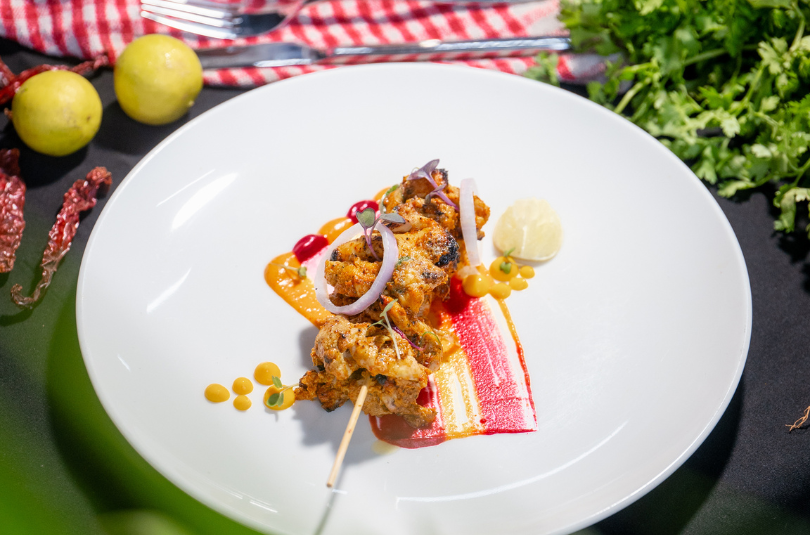
Anyone who has nailed a family recipe at home knows the satisfaction of getting it right once. A professional kitchen asks for something harder: the same dish, cooked the same way, every time, in a full dining room, under strict hygiene rules. That takes technique, discipline and plenty of repetition, which is why many aspiring chefs choose structured training over learning by trial and error. APCA India’s advanced diploma in culinary arts runs for nine months and includes 1,440 hours of hands-on training, with each student cooking their own dishes. This guide walks through what you can expect to learn, one month at a time, from knife skills and stocks to French, Indian, Thai and Italian cuisines.
What Is an Advanced Diploma in Culinary Arts?
An advanced diploma in culinary arts is a full-time professional programme that teaches cooking as a trade. Students learn core techniques, kitchen safety and ingredient knowledge, along with the theory behind them (why a sauce splits, why dough needs time to rest). They then practise all of it across several cuisines. The aim is to prepare you for the pace and standards of a working kitchen, not just to hand you a set of recipes.
APCA India’s culinary arts diploma course is designed for beginners, and its course page does not list prior cooking experience as a requirement. Classes run Monday to Friday, 9 AM to 5 PM, over nine months. The curriculum moves from fundamental cooking principles to advanced international cuisines, with training from chefs APCA describes as being of international repute.
Month-by-Month Breakdown of the 9-Month Culinary Arts Program
APCA publishes its culinary arts course curriculum in three quarters, not as nine separate monthly modules. The first quarter covers fundamentals, the second widens your range and adds Indian and Thai cuisine, and the third moves into advanced and international work. The monthly sections below are an illustrative way of spreading those published topics across nine months. They are not an official timetable, and the actual pace in class may differ.
Month 1: Building Strong Culinary Foundations
The first quarter opens with theory on food safety and hygiene, which matters more than most beginners expect. Before anyone thinks about plating, you learn how to keep a kitchen clean and food safe to serve. Alongside that come knife skills and cutting techniques, identification of ingredients and the principles of cooking. An even cut cooks evenly, and knowing exactly what you are holding saves time on every dish that follows. The next eight months sit on top of these basics.
Month 2: Mastering Basic Cooking Techniques
This is where the foundations meet the stove. The published first-quarter topics include vegetables and potatoes, stocks and basic sauces, basic soups and eggs. Stocks and sauces preparation takes patience, because stocks are the base of much classic cooking and many sauces start from them. Eggs look simple and are famously unforgiving, so they work as a quiet test of timing.
Month 3: Exploring Proteins, Pasta, and Plated Desserts
Fish and shellfish, meat and poultry, grains and pasta all appear in the first quarter, and each behaves differently. Fish can overcook in moments, tougher cuts need slow heat, and poultry demands careful attention to temperature. Plated desserts introduce presentation for the first time, and the quarter closes with an assessment.
Month 4: Developing Bread-Making and Advanced Preparation Skills
The second quarter lists breads, buffet and staff meals, complex sauces, food preservation, vinaigrettes, and forcemeat and processed products. Forcemeat simply means seasoned ground meat mixtures, the kind used in sausages and terrines. Buffet and staff meals teach cooking in volume, which is a different skill from cooking one plate at a time.
Month 5: Exploring Indian and Thai Cuisine
Indian and Thai cuisines sit side by side in the second quarter, and they reward students who learn to build flavour in layers. Indian cooking leans on spice handling, regional techniques and the order in which ingredients go into the pan. Thai cooking works on balance between sweet, sour, salty and hot. Game and lamb also appear in this quarter, adding richer, stronger-tasting meats to a student’s repertoire.
Month 6: Improving Pastry and Dessert Presentation Skills
Plated desserts return, now alongside modern French pastries. Pastry leaves little room for improvisation, so consistency and precision become the habits being built. Presentation gets as much attention as taste. The second quarter ends with a final assessment.
Month 7: Discovering Advanced International Cooking Techniques
The third quarter brings classic French cuisine, Italian cuisine, tandoor cooking, basic molecular gastronomy and sous vide. French culinary techniques are the grammar behind many professional kitchens. Sous vide means cooking food sealed in a bag in a precisely controlled water bath, while molecular gastronomy applies food science to cooking. Tandoor work, meanwhile, teaches high-heat clay oven cooking.
Month 8: Learning Menu Planning and Specialized Culinary Skills
Theory in the third quarter covers menu planning, budgeting and opening a new kitchen unit. This is where cooking meets management, because a menu has to make sense for costs, equipment and staff as well as taste. Practical topics include Middle Eastern cuisine, savoury canapés, ice cream and gelato, and garnish and dehydration.
Month 9: Understanding Professional Service and Final Assessment
The final stretch covers à la carte cooking, food and wine combinations, plated desserts and advanced presentation. À la carte cooking means preparing dishes to order, which is how most restaurants actually run. The course closes with a final assessment. APCA’s published curriculum does not specify an internship in this period, so treat any internship timing as something to confirm with the institute.
What Practical Skills Do Students Develop During the Course?
Cooking is learned with your hands. APCA India’s hands-on culinary training totals 1,440 hours, and the practical side of the course is what turns knowledge into habit. Over nine months, students repeatedly practise kitchen hygiene, ingredient handling, cooking techniques and the preparation of international cuisines.
Some skills build quietly in the background. Time management is one: a dish that is perfect but twenty minutes late is still a problem in a real kitchen. Presentation is another, and it is practised in nearly every quarter through plated desserts and plated dishes.
Why Choose APCA India for an Advanced Diploma in Culinary Arts?
For someone comparing options, the useful question is what a programme actually offers. APCA India’s course page describes a beginner-friendly curriculum, practical classes where students prepare their own dishes, training from chefs of international repute, and exposure to Indian, French, Italian, Thai, Middle Eastern and tandoor cooking.
APCA also lists internship and placement opportunities with five-star hotels, branded cafés and restaurants, luxury cruises, and international internships in France and Mauritius. These are opportunities the institute lists, not guaranteed outcomes, so ask the admissions team how they work in practice. Students may also choose an optional internationally recognised City & Guilds UK diploma, subject to the applicable requirements. You can read the full details on the official professional culinary arts course page.
Career Opportunities After an Advanced Diploma in Culinary Arts
APCA’s course page positions the programme for students who want to work as chefs in five-star hotels or good restaurants, or who plan to start their own food business. Typical culinary arts career opportunities include roles in professional kitchens, restaurant cooking, hotel culinary operations, catering and food entrepreneurship.
A diploma supports that path by giving you a structured foundation: safe food handling, a range of cuisines, and practice working to a standard. It does not guarantee a job, a salary or work overseas. Those depend on your skills, attitude, interviews and the opportunities available at the time.
Conclusion: Start Your Professional Culinary Journey with APCA India
Over nine months, the course moves from the basics (hygiene, knife work, stocks) through proteins, bread and pastry, then into Indian, Thai, French, Italian and other cuisines, and finally menu planning and à la carte service. That steady progression, backed by 1,440 hours of practical training, is what makes an advanced diploma in culinary arts different from learning a few recipes.
If you are weighing your options, read the curriculum closely, ask questions about internships and certification, and see whether the structure suits you. Explore APCA India’s Advanced Diploma in Culinary Arts and take the next step toward building your professional culinary skills.
Frequently Asked Questions About Advanced Diploma in Culinary Arts
What is an advanced diploma in culinary arts?
It is a full-time professional programme that teaches cooking from fundamentals to advanced techniques. Students combine practical kitchen training with theory, food safety, and exposure to several cuisines. APCA India’s version runs for nine months and includes 1,440 hours of hands-on training.
What do students learn during a 9-month culinary arts course?
APCA’s curriculum covers food safety, knife skills, stocks and sauces, proteins, bread, pastry, Indian and Thai cuisine, classic French and Italian cooking, tandoor, sous vide, menu planning and à la carte service. It is published in three quarters, each building on the last.
Is the advanced diploma in culinary arts suitable for beginners?
Yes. APCA India describes the course as designed for beginners, and it starts with food safety, knife skills and the principles of cooking. No prior experience is listed as a requirement on the course page, though you can confirm admission details with the institute directly.
How many hours of practical training does APCA India provide?
APCA India states 1,440 hours of hands-on training across the nine-month course. Classes run Monday to Friday, 9 AM to 5 PM, and each student prepares their own dishes in the kitchen rather than only watching demonstrations.
What international cuisines are covered in the course?
The published curriculum includes Indian, Thai, classic French, Italian, tandoor, and Middle Eastern cuisines. It also covers modern French pastries, gelato and basic molecular gastronomy, so students meet both savoury and sweet traditions.
Does APCA India offer internship and placement opportunities?
APCA lists internship and placement opportunities with five-star hotels, branded cafés and restaurants, luxury cruises, and international internships in France and Mauritius. These are not guaranteed, and no placement statistics are published on the course page, so ask the institute how selection works.
What career opportunities are available after a culinary arts diploma?
Graduates may work in professional kitchens, restaurants, hotels and catering, or start food businesses of their own. Roles, pay and progression vary by experience, location and employer, so a diploma is a foundation rather than a guarantee of any particular job.
Is the advanced diploma in culinary arts worth pursuing?
It depends on your goals. If you want structured, hands-on training across many cuisines and plan a career in food, nine months of full-time practice can be a strong starting point. If you only cook for pleasure, a shorter or part-time option may fit better.