
Table of Contents
Knowing the Value of Formal Culinary Education
The food and hospitality industry values and places a major focus on structured learning that builds both skill and discipline. A well-designed culinary diploma provides strong foundational knowledge in kitchen operations, ingredient handling, and professional standards. This form of education helps aspiring chefs move beyond hobby-level cooking and develop a mindset that is both necessary and a compulsory requirement for long-term careers.
Choosing the Right Diploma Path
Many students compare programmes such as a diploma in culinary arts with more specialised options like a diploma in bakery and confectionery to determine what realistically suits them best. Both offer different benefits, but also cater to very specific interests that students may want to specialise in.
Both diplomas offer strong foundations, with specialised programmes that focus deeply on baking science, pastry techniques, and dessert production. Students who are curious and passionate about this craft can pursue a diploma in baking and pastry, which provides targeted training aligned with industry demand.
Career Opportunities and Financial Considerations
When evaluating career opportunities and financial considerations, understanding a culinary arts degree is an important part of career planning. Diplomas are often more time-efficient, focused, and industry-oriented, making them an attractive alternative to longer academic programmes. Graduates can explore roles across a wide range of settings, such as hotels, bakeries, cafés, production kitchens, or entrepreneurial ventures, without extended study timelines.
Professional Growth through Chef Training
Structured chef diploma courses prepare students for real kitchen environments by developing essential qualities such as discipline, consistency, and hands-on experience. Completing a recognised chef diploma opens multiple pathways for professional growth, skill advancement, and international opportunities within the culinary and pastry industry, making it a practical and rewarding career choice.
Exploring Career Opportunities and Professional Growth in Baking and Confectionery
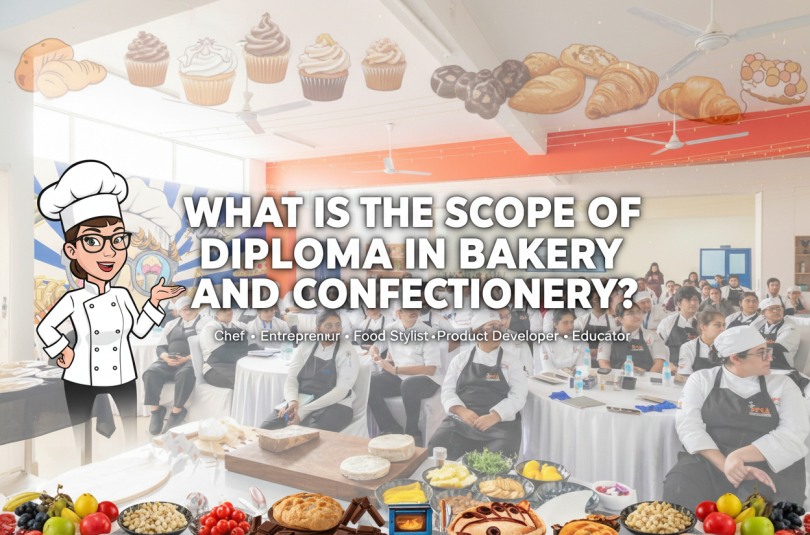
Understanding the scope of a diploma in bakery and confectionery becomes much clearer with guidance from APCA (Academy of Pastry and Culinary Arts), which bridges education with real-world industry expectations. The programme introduces students to a wide range of skills, including bread making, pastry arts, chocolates, plated desserts, and modern confectionery techniques.
Through a curriculum that blends theory with extensive hands-on practice, learners gain insight into how these skills translate into diverse career paths such as professional bakeries, hotels, cafés, patisseries, and entrepreneurial ventures. Industry-experienced chefs mentor students on emerging trends, quality standards, and workplace discipline, helping them understand professional growth opportunities.
Exposure to commercial kitchens and global baking practices further highlights the diploma’s relevance in both domestic and international markets. This structured learning approach enables students to clearly grasp the career potential of bakery and confectionery training and confidently plan their future in the culinary industry.