
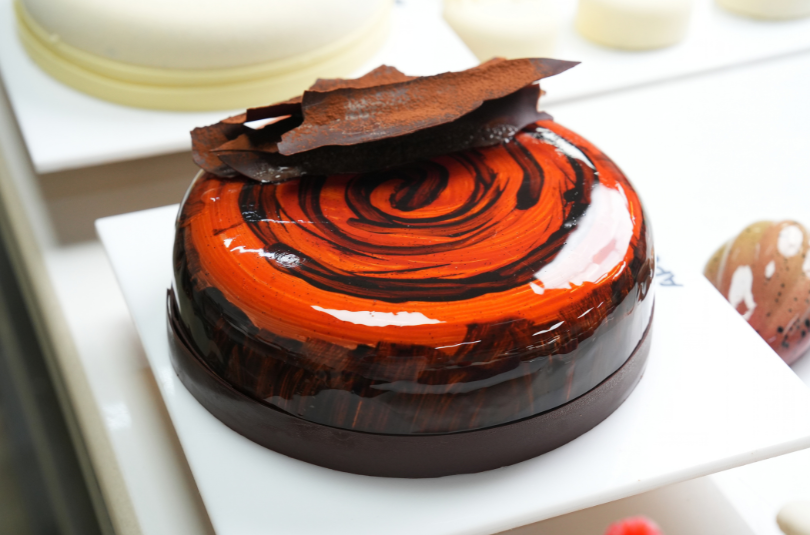
TL;DR: The right pastry institute in Mumbai is the one where you spend most of your hours with your hands in dough, not watching demos. Check four things: what skills the syllabus builds, how good the kitchens are, how many students share one chef, and what graduates actually do afterwards. Visit while a class is running. Why Is Pastry Worth Learning in Mumbai Right Now? Pastry is a good bet in Mumbai because demand for baked goods keeps climbing. India’s bakery market was valued at about USD 15.06 billion in 2025 and is forecast to reach USD 32.05 billion by...
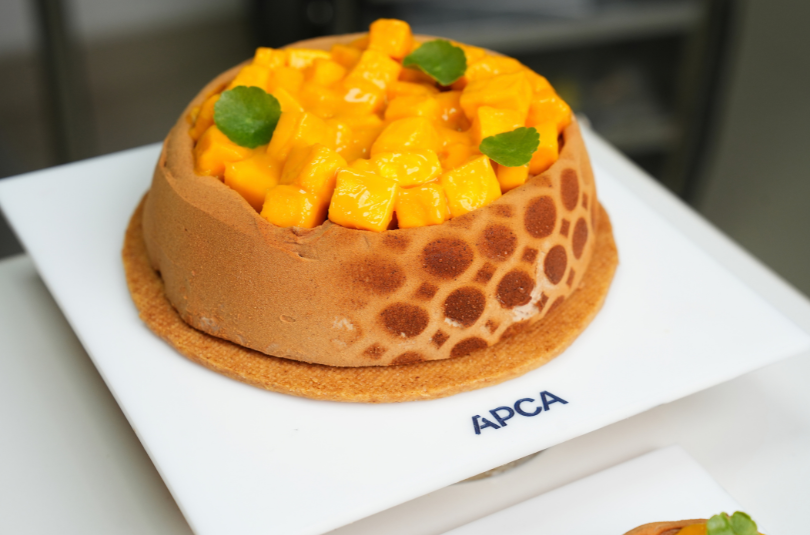
Beyond Baking Cakes: The Pastry Skills Students Can Develop in Bengaluru
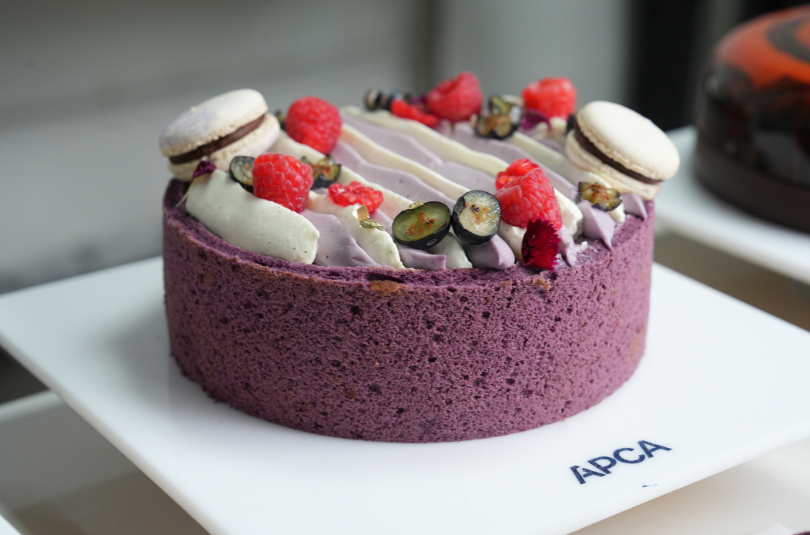
Quick answer: A good pastry course in Bengaluru teaches much more than cakes. Students learn dough lamination, chocolate tempering, sugar work, plated desserts, ingredient costing, food safety and menu planning. These skills open paths in hotels, patisseries, cloud kitchens and home businesses. Why do so many people stop at cakes? Most people meet pastry through a birthday cake. Plenty of home bakers in Bengaluru start exactly there, and many do it well. The trouble is that cakes are one corner of a very large craft. Professional pastry covers laminated doughs, custards, mousses, chocolate, sugar, breads and plated desserts. Each area...
From Gurugram’s Hotel Kitchens to Fine Dining: Exploring Culinary Career Opportunities
Short answer: Yes, you can move from a Gurugram hotel kitchen into fine dining. Most chefs do it by climbing the kitchen brigade, mastering one section, and then applying to restaurants that value precision over volume. Expect three to six years, and pay that widens sharply once you reach sous chef.This guide covers what the work looks like, how the two paths compare, and a plan you can start this month. What does a culinary career in Gurugram look like? A culinary career in Gurugram means working in a hotel kitchen, a standalone restaurant, a cloud kitchen, a catering unit...
Culinary Arts vs Professional Cookery: Understanding the Difference
Quick answer: Culinary arts is the wider field. It covers cooking techniques, food science, menu design, nutrition, and kitchen management. Professional cookery is the practical core of it: the skills needed to prepare food to a commercial standard, fast and consistently. Many programs blend the two, so check the syllabus and not just the title. What Do These Terms Actually Mean? Culinary arts is the full discipline of preparing, presenting, and understanding food. Professional cookery is the vocational skill of cooking it well in a working kitchen. Think of culinary arts as the map and professional cookery as the route...
How Chefs Build Texture: The Role of Crunch, Creaminess, Crispness & Contrast
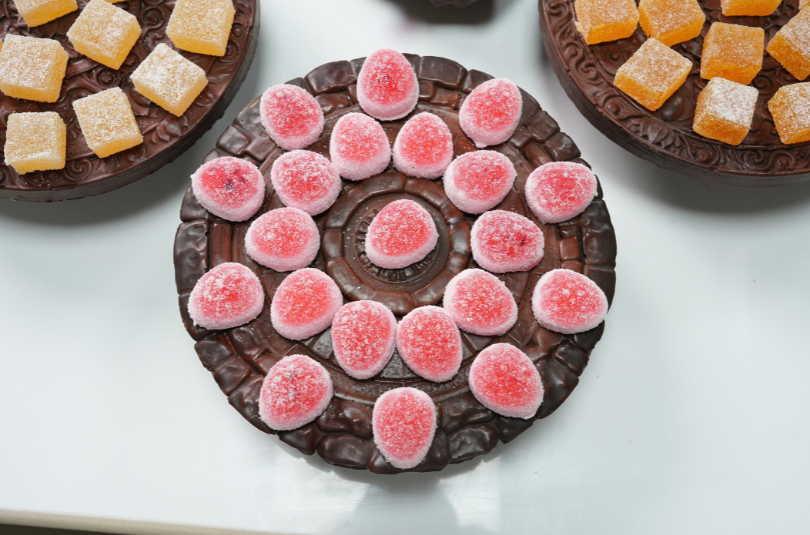
In short: chefs build texture by pairing opposites. A soft or creamy element sits next to something crisp or crunchy, and every step of the cooking, from drying to heating to plating, is timed so each part keeps its character until the first bite. Contrast is what keeps a dish interesting from the first forkful to the last. What is texture in cooking, and why does it matter? Texture in cooking is how food feels in your mouth: crunchy, creamy, crisp, chewy, silky, tender. It matters because your brain registers it almost as fast as flavor, and a plate with...
How Pastry Chefs Balance Sweet, Sour, Bitter and Texture in Modern Desserts
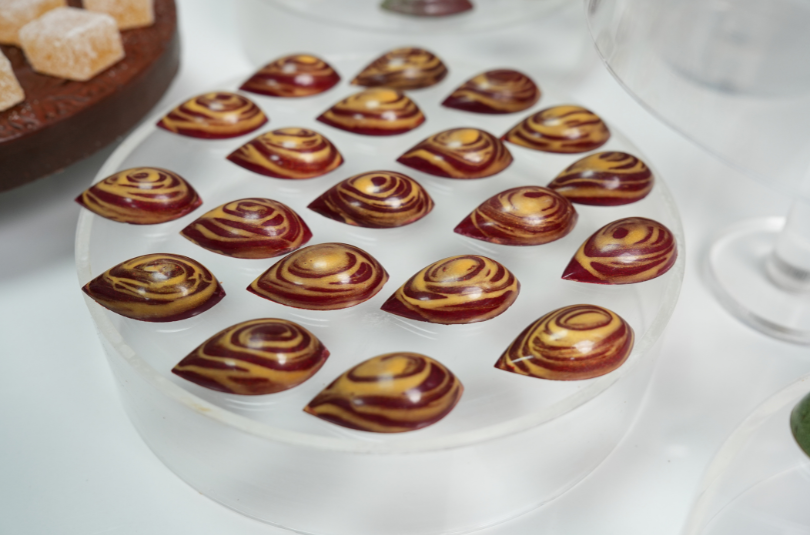
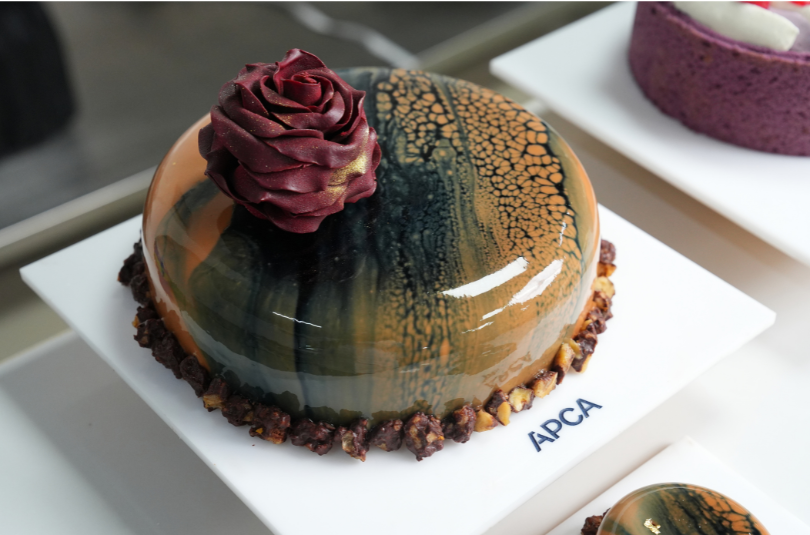
Quick answer: Pastry chefs balance dessert by treating sweetness as a base and then adding acid to cut richness, bitterness for depth, and contrasting textures to control how flavor reaches the tongue. They pick one anchor ingredient, build the other elements around it, and then taste and adjust until no single element dominates. The dessert that looks simple Picture a sphere about the size of a large marble. The outside is a thin yuzu gelée. Inside sits a dark chocolate ganache that is still soft at the center. A dusting of toasted cacao nib clings to one side, and a...
What Is Sous Vide Cooking? How the Technique Works
Sous vide (French for “under vacuum”) is a cooking method where food is sealed in a bag and held in a water bath at one exact temperature until it reaches that temperature all the way through. Because the water never gets hotter than your target, the food can’t overcook the way it does in a pan or oven.Picture a steak that is medium-rare from crust to crust, with no gray ring under the surface. That result is ordinary with sous vide, and it’s why the technique has been standard in professional kitchens for decades.It started in restaurants, but you no...
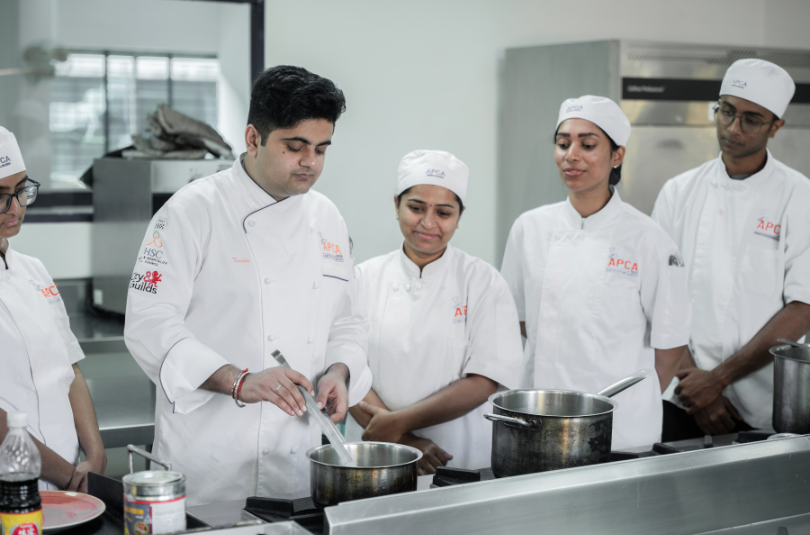
Why mise en place is the foundation of every professional kitchen
In short: Mise en place (French for “everything in its place”) means prepping your ingredients, tools and workspace before you start cooking. Professional kitchens depend on it because it speeds up service, keeps every plate consistent, lowers the risk of cuts, burns and contamination, and keeps cooks calm. Home cooks can borrow it in four steps. On television, a restaurant kitchen is shouting, open flame and pans flying past someone’s ear. A well-run kitchen on a busy night looks different. Cooks trade short calls, hands travel a few inches between the salt and the pan, and nobody goes looking for...

Bangalore’s Cloud Kitchen Boom: What It Means for Newly Trained Chefs
If you just finished culinary school in Bangalore, the job market you’re walking into looks nothing like the one your seniors graduated into five years ago. Delivery-only kitchens are now a real, well-funded career track, not a fallback. India’s cloud kitchen market grew from $1.24 billion in 2025 to an estimated $1.39 billion in 2026, and South India alone accounts for roughly 35% of that revenue, with Bengaluru’s tech workforce ordering food an average of 4.8 times a week, the highest frequency in the country. That single stat explains why so many of these brands keep opening kitchens here. This...
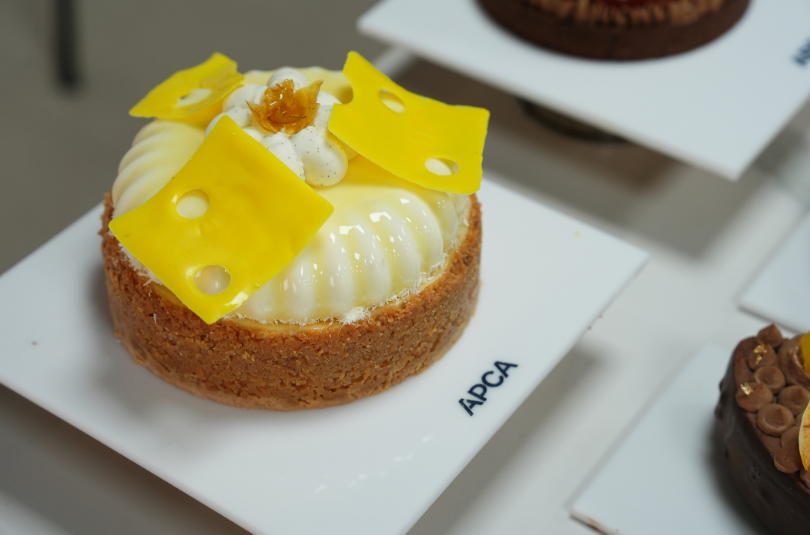
Best Restaurants and Bakeries in Gurgaon Every Aspiring Chef Should Study
Quick answer: Gurgaon’s strongest training ground for aspiring chefs sits inside five-star hotel kitchens like The Oberoi’s Amaranta and Threesixtyone°, the Trident’s Cilantro, and the Westin’s Prego, paired with bakeries such as L’Opera, Theobroma, and the Oberoi Patisserie & Delicatessen. Together they cover coastal Indian cooking, live-fire technique, European patisserie, and viennoiserie at a level worth eating your way through with a notebook in hand. Gurgaon doesn’t get talked about as a food-education city the way Mumbai or Delhi do, but that’s a mistake. The Millennium City has quietly built one of North India’s densest clusters of hotel fine-dining kitchens...