
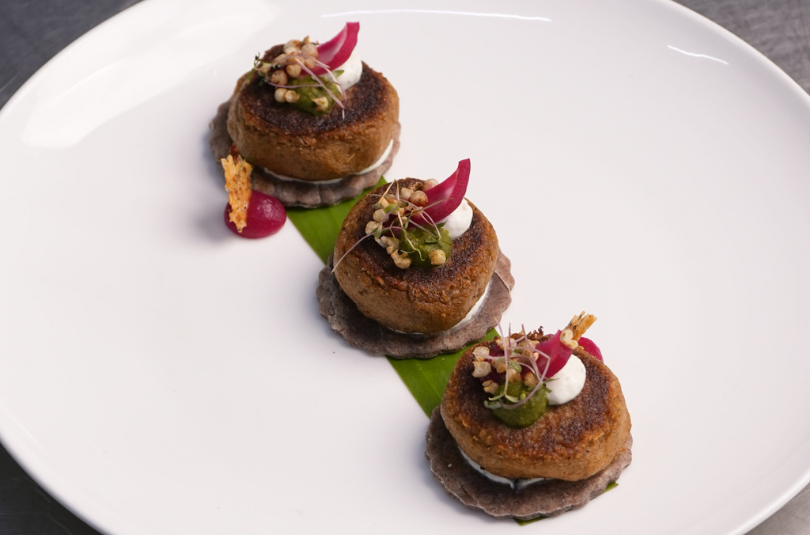
Ask a culinary instructor what separates a home cook from a line cook, and most won’t mention knife skills first. They’ll mention stock. Everything downstream- the sauces that finish a plate and the soups that open a menu, depends on a pot of bones, vegetables, and water that someone tended for hours before service even started. Skip that step or rush it, and no amount of seasoning fixes what’s missing. This piece walks through why stocks, sauces, and soups are taught together, how the classical French system still shapes restaurant kitchens, and where a home cook can borrow the logic...
Sugar in Baking: It’s More Than Just Sweetness
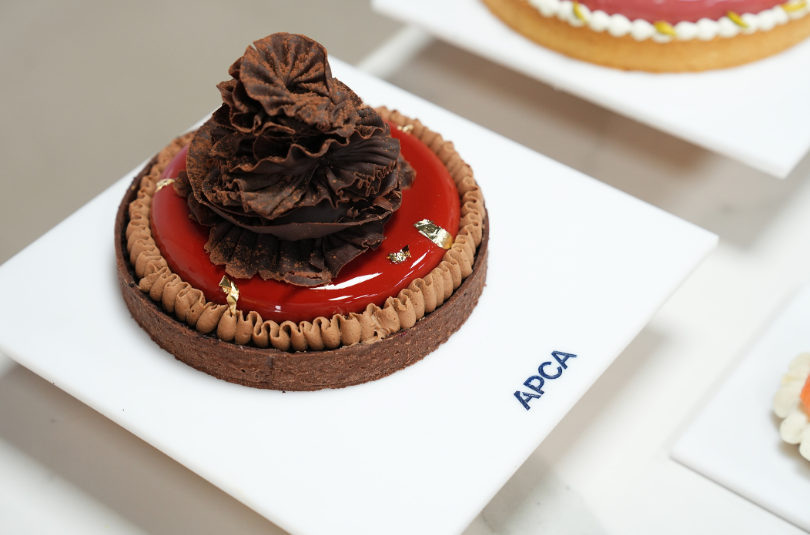
Quick answer: Sugar sweetens, but in a batter or dough it also holds onto water, slows gluten formation for a softer crumb, drives browning through caramelization and the Maillard reaction, and stabilizes whipped egg whites. Cut the sugar in a recipe, and you’re not just removing sweetness. You’re pulling out moisture, tenderness, and color at the same time. Pull sugar out of a cookie recipe expecting a “healthier” version of the same cookie, and you’ll get something pale, dry, and a little sad. That’s not bad luck. It’s chemistry. Sugar is one of the hardest-working ingredients in a baker’s kitchen,...
How Professional Chefs Use Herbs & Spices to Build Flavour
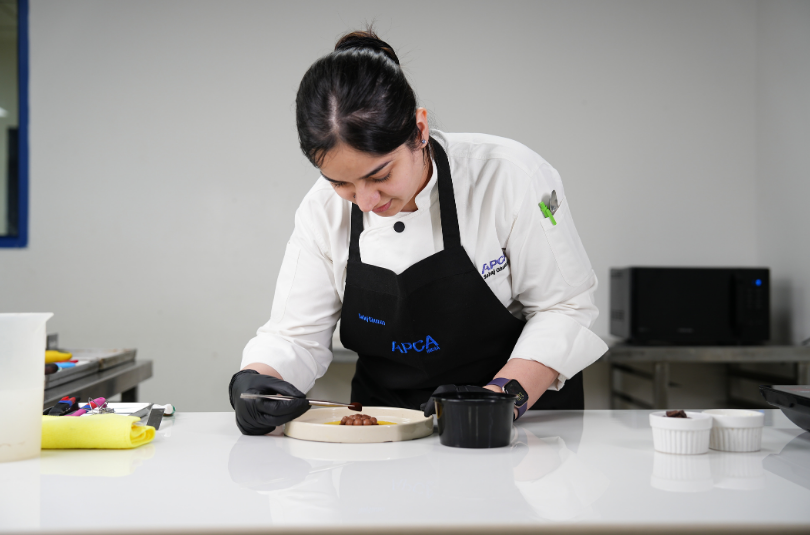
Quick answer: Professional chefs don’t season once and walk away. They build flavour in stages: an aromatic base, whole spices cooked early, ground spices bloomed in fat, and fresh herbs added at the very end. Each addition targets a different moment in the dish, and the order matters as much as the ingredients themselves. Home cooking and restaurant cooking often start with the same spice rack. The difference shows up in timing, not in the shopping list. A chef who tastes a sauce and reaches for oregano isn’t guessing. They’re reading the dish, deciding what’s missing (brightness, warmth, bitterness, salt)...
Bread Fermentation Explained: Why Time Matters in Professional Baking
Quick answer: Fermentation is where bread actually gets made. Time and temperature together set gluten strength, gas retention, and the acids that build flavor. Rush it, and you get pale, gummy, one-note bread. Most professional doughs ferment between 20°C and 26°C, with cold retardation extending that window to 12 hours or more for deeper flavor. Ask ten bakers what “fermentation” means, and you’ll get ten different answers, most of them wrong in some small way. Some think it’s just proofing, the last rise before the oven. Others treat it as a single number on a recipe card: “ferment 90 minutes.”...
What Is Pâte à Choux? The Pastry Behind Éclairs, Profiteroles & Churros
Quick answer: Pâte à choux (pronounced pat-ah-SHOO) is a French dough made from just butter, water, flour, and eggs, cooked twice — once on the stovetop, once in the oven or fryer. It has no baking powder or yeast. Steam alone puffs it into a hollow shell, which is why the same dough becomes éclairs, profiteroles, cream puffs, gougères, and churros, depending on how you shape and cook it. What Is Pâte à Choux, Exactly? Pâte à choux is a cooked pastry dough built from four ingredients: water (sometimes cut with milk), butter, flour, and eggs. The flour, butter, and...

How APCA Culinary Students Master Global Cuisines Through Practical Training
Ask any working chef what culinary school actually taught them, and you’ll rarely hear “the textbook.” You’ll hear about the night they burned three batches of caramel before getting it right, or the chef-instructor who made them re-do a mother sauce four times because the seasoning was off by a pinch. That’s the part of culinary education that doesn’t photograph well but matters most: repetition, correction, and kitchen time. APCA has built its entire teaching model around that idea. Rather than treating world cuisines as a chapter to memorize, the academy treats them as skills to cook, taste, fail at,...
What Makes APCA Gurgaon a Great Choice for Aspiring Professional Chefs
If you’re comparing options for a chef course in Delhi NCR, APCA Gurgaon is worth putting near the top of your list. The Academy of Pastry and Culinary Arts runs its Gurugram campus on live-kitchen training rather than classroom lectures, pairs students with chefs who’ve actually worked in five-star kitchens, and backs it all with placement support once the course ends. That’s the short answer. Here’s the longer one, for anyone deciding where actually to spend the next year or two of their training. What Is APCA Gurugram, Exactly? APCA opened its Gurugram branch in March 2015, inside Udyog Vihar,...
How APCA Bengaluru Helps Students Master French Pastry Techniques
French pastry has a reputation problem. People assume it’s about pretty tarts and Instagram-ready croissants, when the real work is chemistry, timing, and hundreds of repetitions until a laminated dough behaves the same way twice. That’s the gap between a hobby baker and a pastry chef who can walk into a five-star kitchen and hold their station. APCA Bangalore, part of the Academy of Pastry & Culinary Arts network, built its Bengaluru campus around closing exactly that gap. Here’s the short answer, for anyone who wants it before the detail: APCA Bengaluru teaches French pastry through structured, quarter-by-quarter modules —...

What to Expect During Your First Week at Culinary School
Nobody tells you that the first thing you’ll learn in culinary school isn’t a recipe. It’s how to hold a knife without flinching. If you’re about to start one of the chef courses on your shortlist, your first week will be less about plating a perfect dish and more about building habits that everything else gets stacked on top of. Here’s what actually happens, day by day, so you walk in prepared instead of guessing. Orientation Day Is Longer Than You Think Most programs start with a full day that has nothing to do with cooking yet. You’ll get your...
Why International Exposure Matters in Culinary Education
A student who trains only in one country’s kitchens learns one country’s assumptions about food. International exposure in culinary education breaks that pattern early, before it hardens into habit. It puts students in front of unfamiliar ingredients, different kitchen hierarchies, and cooking logic that doesn’t match what they grew up eating. That friction is where real skill starts to form. This matters more now than it did a decade ago. Restaurant menus borrow freely across cuisines, hotel groups operate on every continent, and diners expect chefs who can move between culinary traditions without flattening them into a single “fusion” blur....