

If you love cooking, you’ve probably had the thought: could this actually be my job? The honest answer is yes, but not by accident. A real career in culinary arts is built the same way any skilled profession is built: through structured training, hands-on practice, and a credential that proves you know what you’re doing. For most people, that starting point is a culinary diploma from a proper institution of culinary education. This guide walks through what that path actually looks like, from picking the right program to landing your first line cook job and working your way up to...
The Science Behind Perfect Cakes, Breads, and Desserts
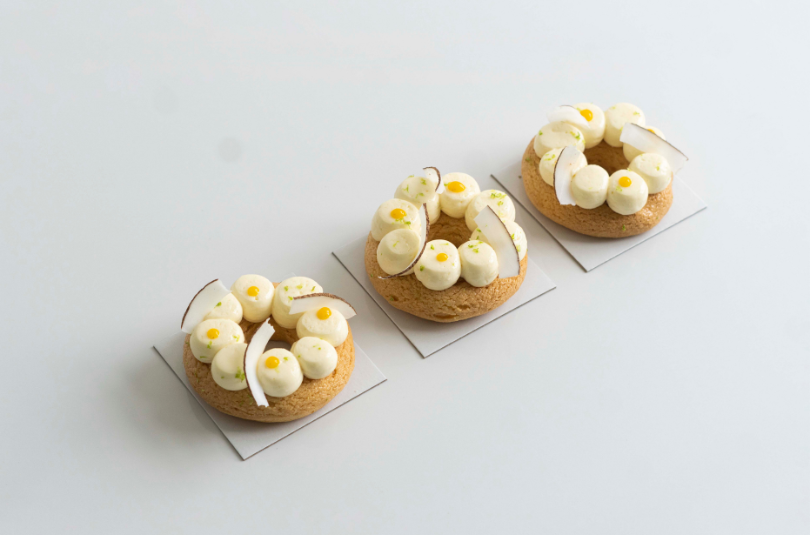
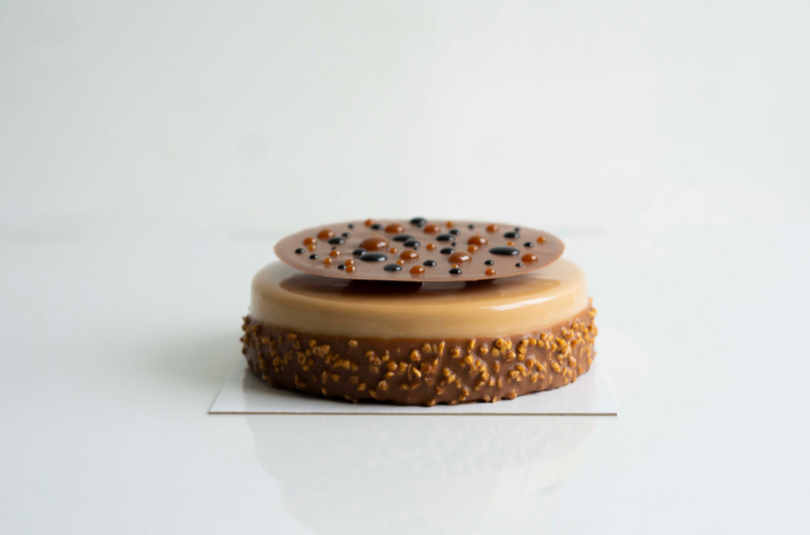
A perfect cake, a well-risen loaf, or a glossy dessert isn’t the result of luck. It comes down to chemistry: how proteins bind, how gases expand, how sugar and heat interact. Understanding that chemistry is what separates a home cook from a trained pastry chef, and it’s exactly what serious baking & pastry education is built around. If you’ve ever wondered why one baker’s sourdough has an open, airy crumb while another’s turns out dense and flat using the same recipe, the answer is rarely the recipe itself. It’s technique, timing, and an understanding of what’s actually happening inside the...

How Professional Kitchen Training Prepares You for Global Careers
Professional kitchen training isn’t just a place to learn recipes. It’s where you learn to work under real pressure, follow food safety standards that international employers actually check, and build the kind of discipline that travels across borders. That combination, technical skill plus workplace habits, is exactly what hiring managers at hotels, cruise lines, and restaurant groups abroad look for when they scan a resume. If you’re weighing whether structured culinary education is worth it, the short answer is yes, provided you pick a program built around real kitchen exposure rather than just classroom theory. Here’s what that training actually...
Three Cities, Three Food Cultures: How Each APCA Campus Brings Something Different to the Table
India’s food scene changes dramatically from one city to the next, and the same is true for the way you learn to cook it. APCA, one of the best culinary schools in India, is one of the best culinary schools in India, but what sets it apart from the rest is that it doesn’t offer a single, one-size-fits-all experience. With campuses in Gurgaon (Delhi NCR), Bangalore and Mumbai, APCA provides every student with a curriculum based on the same high global standards – but with a flavour of the specific food culture of the city they are training in. If...
Why APCA Gurugram Feels Less Like School and More Like Stepping Into the Industry
You walk into most classrooms and you know what you are going to get; rows of desks, a whiteboard and a lecture. When you step in to APCA Gurgaon, the experience is a whole different one. Forget desks. We have live kitchens humming with activity. You’ll see chefs demonstrating techniques over a hot stove, students plating desserts under real time pressure, and the unmistakable energy of a working kitchen, not a lecture hall. For anyone researching a culinary institute in Delhi, this distinction matters – because the way you train defines the chef you become. A Campus Built to Mirror...
How Bangalore’s Evolving Café Culture Inspires APCA Students
Bangalore has quietly become one of India’s most exciting food and drink cities. Walk through neighbourhoods like Indiranagar, Koramangala or Jayanagar and you’ll find third-wave coffee houses, artisanal bakeries and all-day cafes packed with people who care as much about their flat white as they do about their WiFi. For the students at APCA, Bangalore this is not just a backdrop but a living classroom that influences the way they think about food, service and hospitality every day. A City That Lives on Coffee Culture For generations of Filter Coffee in Steel Tumblers at the Old School Darshinis, Bangalore’s love...
Why APCA Mumbai Students Experience More Than Just What’s on the Curriculum
Walk into APCA Mumbai any afternoon and one thing will immediately be apparent-the learning extends beyond the lecture. Between the kitchens, the common rooms, and the buzz of students planning their next project, there is a rhythm here that goes beyond textbooks and timetables. If you are looking for culinary courses in Mumbai, do note that what happens outside the classroom is as important as what happens inside the classroom in shaping a student. A Curriculum That’s Just the Starting Point All institutes claim to have quality chef courses, but the real question is what surrounds the education. The syllabus...
The Skills That Separate APCA Students from Other Culinary Students
Go into any professional kitchen and within minutes you can tell who trained where. The knifework, plating instincts, knowing when to apply pressure, how someone tastes and adjusts a sauce without a moment’s hesitation — these little signals tell you years of disciplined training. At APCA, students learn more than recipes—they learn the essentials of culinary arts that can stand up to the heat of the real kitchen. That’s what distinguishes a genuine professional chef program from a hobby cooking class, and it’s why APCA grads tend to excel from the moment they step into a commercial kitchen. Why Foundational...
Diploma vs Degree in Culinary Arts: Which One Builds Better Career Outcomes?
One of the biggest decisions aspiring cooks face before stepping foot in a professional kitchen is whether to pursue a culinary diploma or a full-blown culinary degree. Both paths can lead to a rewarding career in culinary arts, but the two differ greatly in time, cost, depth of curriculum and opportunities. If you’re trying to decide which path is right for your goals, this guide outlines the real differences so you can make an informed decision. Understanding the Basics: Diploma vs Degree Culinary art diploma programs are typically short and intensive, lasting 6 months to a year. It’s designed to...

How APCA Students Learn to Balance Art and Technique in Pastry
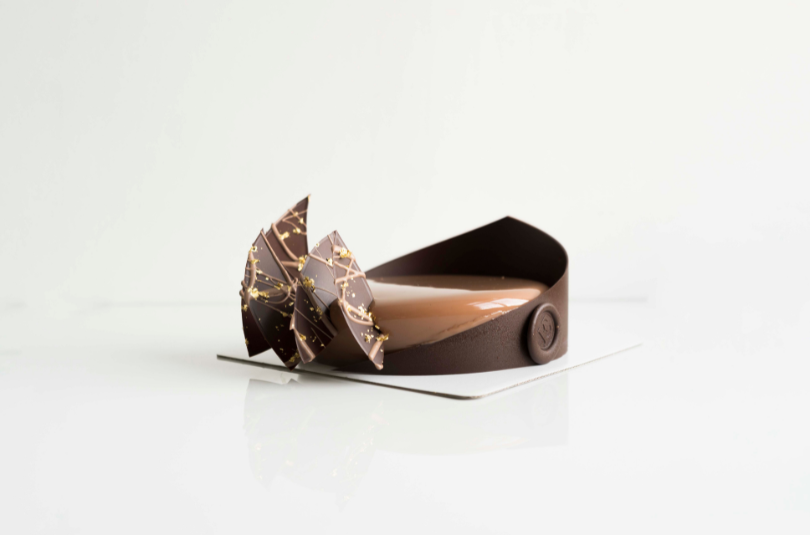
Pastry-making is in a strange limbo. Precision, on the one hand – exact weights, exact temperatures, exact times. On the other side is imagination. Color, texture, plating, storytelling on a dish. A great pastry chef doesn’t have to choose between the two. They learn to flit seamlessly between them, and that is exactly the balance APCA (Academy of Pastry and Culinary Arts) trains its students to strike from day one. If you’ve ever wondered how the baking & pastry professionals coming out of top institutes seem to have both flawless technique and a distinct creative voice, the answer lies in...