
Let’s be honest about something that most pastry school brochures won’t tell you: there’s a huge difference between knowing how to bake and knowing how to think like a pastry chef. Courses sell with pretty pictures of croissants and shiny plated desserts. But what gets you through in a professional kitchen is technical depth, and that only comes with the right training.
APCA’s Advanced Diploma in Pastry is one of those courses for serious people. Not a hobbyist. Not weekend bakers. If you are crossing over from the simple world of baking into the professional world, or if you are already working in the industry and looking to bridge the skill gap, here’s the real deal about the curriculum and why it’s important.
1. Entremets: The Art of Precision
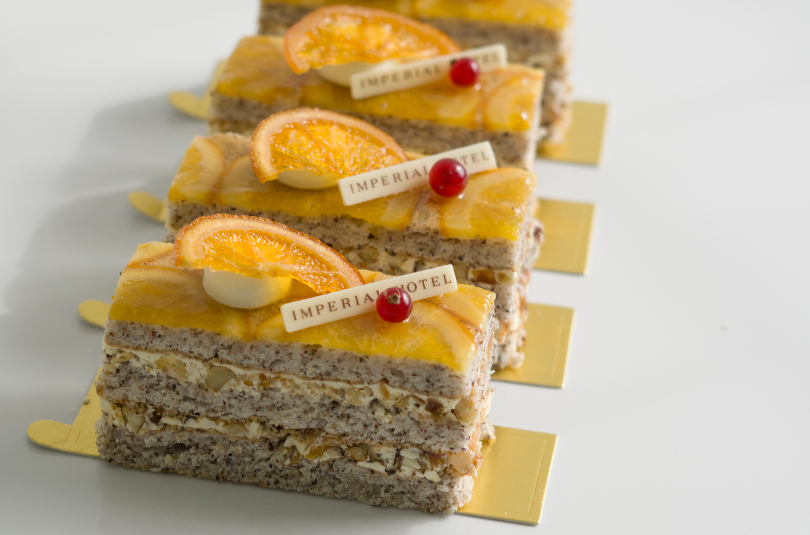
Entremets sounds elegant — and it is — but the work behind it is relentless. These multi-layered mousse cakes require you to understand textures, temperature control and structural balance simultaneously. A collapsed mousse layer or a poorly set mirror glaze isn’t just visually unpleasant. It tells a professional kitchen the fundamentals aren’t there.
Training in entremets in APCA’s Advanced Diploma in Pastry isn’t just about following a recipe. You learn the science – why gelatin acts differently than agar, how to build flavour profiles that work across temperature, and how to build an entremet that stands up in a real production environment, not just in a classroom demo.
2. Chocolate and Confectionery Praline: More than Ganache
Chocolate work is a craft, inside a craft. The program spends serious curriculum time on praline chocolate, working with caramelized nut pastes, tempering couverture correctly and understanding the crystalline structure of chocolate. These are not ornamental skills. They are the difference between a chocolatier and someone who melts chocolate.
You will also learn techniques of bonbons, truffles and enrobing. More importantly, you’ll know why things go wrong—bloom, improper snap, grainy texture—and how to fix them under pressure. It’s that diagnostic skill that you really need on a manufacturing floor.
3. Sugar Art: Test of Engineering and Patience
Sugar Art is the line between the committed and the casual. You can’t fake the focus needed for the heat, humidity and timing of pulled sugar, blown sugar and isomalt work. If a diploma in baking and pastry doesn’t have you going through sugar work, you’re missing a big hole in your professional skillset.
What APCA’s advanced curriculum does well here is put Sugar Art into context with actual showpiece and competition work. You’re not just learning to make pretty flowers. You’re learning how to make structural centerpieces that make it through transportation and presentation, which is a whole different ballgame.
4. Pass The Plate: When Pastry Meets The Pass
This is the module that most aspiring restaurant pastry chefs underestimate. Plated Desserts are about consistency, speed, and visual storytelling under service pressure, not just taste. You have to be able to plate the same dessert the same way the twentieth time, at 9:45 PM on a Friday night.
APCA’s advanced pastry program covers both flavor composition and modern plating techniques. You learn to play with textures – crispy, creamy, gelatinous, aerated – to build a dessert with a distinct narrative on the plate. That’s not taught in most basic pastry chef classes. It’s a matter of higher-level cooking thought, not just the technical execution.
5. Viennoiserie: Laminated Dough Is Not Forgiving
The advanced diploma’s Viennoiserie course will take your understanding of fermentation, lamination, and butter quality up a notch. Croissants, pain au chocolat, kouign-amann — those are products where a two-degree difference in your butter can ruin your layers.
The real value of this module is the troubleshooting side. You will deliberately screw up batches – under-proofed, over-laminated, wrong butter type – and analyze what went wrong. It’s that structured failure that teaches you how to consistently produce world-class Viennoiserie. It’s not easy. It does help.
6. Ice Cream & Sorbets: Science in a Frozen State
In most diploma in baking and pastry programs, frozen desserts are an afterthought. At the advanced level, that attitude is wrong. Ice cream and sorbet formulation is essentially a chemistry problem. You’re dealing with freezing point depression, overrun percentages and emulsification to achieve certain textures at certain serving temperatures.
APCA combines classic and modern methods, such as pairing sorbets with savory ingredients for plated modern desserts. Fine dining environments demand a technical fluency that’s not optional. Menus are calling for pastry chefs who can roam the line between sweet and savory without a second thought.
What You Really Learn in the Advanced Diploma
Here’s what you won’t see in any school marketing material, said flat out: The value in advanced pastry chef courses is not in the recipes. Recipes available online. The value is in the judgment — knowing when your caramel is about to break, being able to tell an under-tempered chocolate from visual cues alone, and understanding why your brioche isn’t developing proper window pane.
At APCA, the Advanced Diploma in Pastry is designed to develop that judgment in a systematic way. You’re not just doing techniques — you’re building the mental model of a working pastry professional. That means knowing the yield, costing, production timelines, and quality control, along with the creative side.
So, if you are serious about a career in pastry – hotel kitchens, restaurant pastry stations, artisanal production, or your own patisserie – then yes. A rigorous advanced program develops the technical foundation that distinguishes hired and promoted candidates from those who plateau early.
If you want to learn to bake better at home, an advanced diploma is not the right tool. But for a professional commitment where you’ll be investing that time and money in a curriculum that will truly challenge and expand your capabilities — from Sugar Art to Plated Desserts to frozen formulation — APCA’s advanced program is worth serious consideration.
Accuracy and inventiveness are equally valued in the pastry industry. The best programs train you to do both. Over and over again. Under pressure. That’s what you’re really investing in.
Frequently Ask Questions
Q1. Do I need a basic pastry qualification to take APCA’s Advanced Diploma in Pastry?
Yes. The Advanced Diploma in Pastry requires a strong foundation in core pastry skills, including dough preparation, cake production, chocolate work, and baking science. APCA recommends completing a foundation pastry course or having professional pastry kitchen experience to succeed in the advanced programme.
Q2. How is APCA’s entremets training different from what you would learn in a standard baking class?
Most baking classes teach you how to follow an entremet recipe. APCA goes further by teaching the science behind every step. Students learn how ingredients, temperature, humidity, and setting agents affect results, enabling them to adapt recipes and produce consistent, professional-quality entremets in real kitchen environments.
Q3. Is the Viennoiserie module for students who have never worked with laminated dough?
You do not need lamination experience to do the Advanced Diploma’s Viennoiserie module, but basic yeast fermentation and dough-handling skills are a prerequisite. By the end of the course, students will be able to produce laminated dough to professional standards through structured troubleshooting and hands-on practice, learning from their mistakes and building confidence.
Q4. How relevant is the Ice Cream and Sorbets module for students who want to work in restaurants, rather than production operations?
Frozen desserts are a staple in fine-dining pastry today. Housemade ice creams, sorbets and frozen elements add creativity, quality and uniqueness to the menu. APCA’s training covers formulation, freezing methods, emulsification, and creative uses and is very beneficial to those seeking careers as pastry chefs in restaurants.
Q5. How does the career path differ for someone who has completed APCA’s Advanced Diploma in Pastry versus a basic pastry certificate?
When you get into a profession, the advanced diploma is a very different thing from a simple certificate, especially in the first few years. A basic certificate will give you entry level jobs, while an advanced diploma will help graduates to move into higher positions faster, manage complex assignments on their own and obtain international placements, hotel group positions and industry competitions.