
Pastry-making is in a strange limbo. Precision, on the one hand – exact weights, exact temperatures, exact times. On the other side is imagination. Color, texture, plating, storytelling on a dish. A great pastry chef doesn’t have to choose between the two. They learn to flit seamlessly between them, and that is exactly the balance APCA (Academy of Pastry and Culinary Arts) trains its students to strike from day one.
If you’ve ever wondered how the baking & pastry professionals coming out of top institutes seem to have both flawless technique and a distinct creative voice, the answer lies in how they are trained. This is no coincidence. It is part of the curriculum, the culture of the kitchen and the mentorship model that makes the baking & pastry institute experience at APCA.
Technique First: Building the Foundation
Before any student is given the freedom to create, he is given a scale, a thermometer and a very strict set of expectations. Classic pastry techniques – laminating dough, tempering chocolate, stabilizing meringues, balancing sugar syrups – require precision. One or two degrees off in chocolate temp and the shine is gone. Puff pastry has a few extra folds and the layers separate.
That is why professional bakery courses in India and especially at APCA devote the first few months nearly exclusively to basics. Students repeat the same techniques dozens of times, not because creativity doesn’t matter, but because creativity without a stable technical base tends to fall apart under real kitchen pressure. This is an instinct that chefs working in five-star hotel kitchens know: improvisation is only possible if you have mastered the rules well enough to be able to bend them safely.
This principle is the foundation of APCA’s hands-on training model, which frequently includes more than 1,000 hours of practical kitchen experience. Students aren’t watching demonstrations from a distance; they are making, failing, tweaking and remaking, batch after batch, until the technique is muscle memory, not a conscious effort.
Where Art Enters the Picture
When a technique becomes second nature, something interesting happens: students stop thinking about the “how” and start thinking about the “what”. That’s when the artistic part of working with pastry begins to emerge naturally.
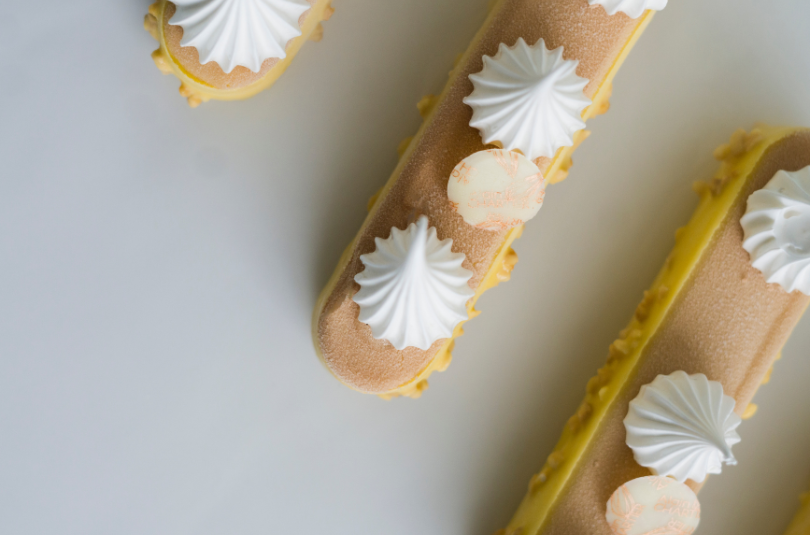
This is where sugar art, chocolate showpieces, plated desserts and cake design come in. Instructors encourage students to play with flavor pairings, color palettes and visual composition – but always within the discipline of what’s technically sound. A beautifully sculpted sugar flower is only impressive if the sugar itself is tempered properly and won’t crack in transit. But there’s no point in having a visually stunning entremet if the mousse doesn’t set or the glaze doesn’t stick.
The faculty at the institutes shaping the next generation of pastry talent directly models this balance, many having represented India at global pastry competitions. To see a chef explain the chemistry of a stabilizer, and the visual logic of a plating of a dessert, simultaneously, shows students that art and technique were never really separate disciplines.” They’re two perspectives on the same thing.
Real Kitchens, Real Pressure
Balance is not learned in theory. It is tested under pressure. Timed practicals, live bake sales and mock competitions simulate the real demands of a professional kitchen, where a pastry chef must produce consistent, technically sound and visually appealing work — repeatedly, on deadline, without room for excuses.
This is an intentional part of the pedagogy behind professional bakery courses in India that aims to produce graduates ready for the industry, not hobbyist bakers. Branded hotel and bakery chain internships take students further, putting them in working kitchens where they have to adapt classroom technique to commercial volume, but still maintain the visual standards guests expect.
Mentorship as the Bridge
The most important ingredient in this balance is perhaps mentorship. Those who have worked in the kitchens of luxury hotels and competed internationally have a dual perspective, knowing just how much technical margin for error there is, and how far you can push creative expression before you compromise structure or flavor.
Students learn to self-correct in one-on-one feedback: when a design idea is technically not workable, and when a “safe” technique can be pushed toward something more original. The mentorship model is the heart of what makes the baking & pastry institute experience different from learning to bake on your own: it is guided, corrected, and refined by people who have professionally navigated the balance.
Why This Balance Matters for a Career
Employers at five star hotels, patisseries and cloud kitchens are not looking for chefs that can follow a recipe. Neither are they looking for purely artistic bakers that have a tough time with consistency. They are looking for someone who can do both – reliable execution with a creative flair to make their pastries stand out.
Those trained in the art of maintaining this balance are more likely to adapt more easily to the rigors of kitchen life, because they’ve already internalized the reality of what the job actually demands: discipline first, imagination second, and the judgment to know when each one takes the lead.
Final Thoughts
Great pastry is never just the icing on correct technique, nor is it technique without imagination. It’s the combination of both and that’s exactly the purpose of structured, practical training at institutes like APCA. Anyone serious about becoming a pastry chef will often find that this is what separates a good career from a great one to understand this balance early.
Frequently Asked Questions
1. What makes APCA different from other pastry institutes in India?
APCA focuses on a balance between extensive hands-on training hours, mentorship from chefs with international competition experience and a curriculum that intentionally balances technical mastery with creative skill development, so that neither one overshadows the other.
2. Do I need prior baking experience to join a professional bakery course?
No. Most professional bakery courses in India are for beginners and start with basics and then go on to teach advanced pastry and baking skills, including those at APCA.
3. How long does it typically take to become a qualified pastry chef?
For example, institutes such as APCA have full time diploma courses for about 9 months of intensive hands on training, which is usually followed by an internship period with hotels or bakery chains to gain real world experience.
4. Is creativity actually taught, or is it just natural talent?
Natural talent is an asset, but creativity in pastry is a very learnable skill. Once students have developed a strong technical foundation, structured exercises in flavor pairing, design and presentation help them discover their own creative voice.
5. What career opportunities open up after completing a baking & pastry program?
Many institutes offer placement assistance and hotel internships as part of the program. Graduates typically get into positions as pastry chefs in five-star hotels, patisseries, bakery chains and cloud kitchens or start their own bakery ventures.